
Kuudere: Meaning, Signs and Famous Kuudere Girls
The girl with the poker face. She barely reacts to anything, so when she finally smiles at you, it counts.
What does kuudere mean?
A kuudere (クーデレ) is an anime character who stays calm, cool and almost expressionless on the outside but cares a lot underneath. The word mixes kuuru, the Japanese way of saying "cool", with deredere, which means lovestruck. She talks little, says things straight, and shows love through quiet actions. Rei Ayanami is the classic example.
The name splits in two. Kuu comes from kuuru (クール), the katakana spelling of the English word "cool". Dere comes from deredere (デレデレ), Japanese slang for being all lovey-dovey.
Fans started using it in the 2000s, after "tsundere" took off on Japanese message boards, and it’s still fan slang: Japan’s Digital Daijisen dictionary lists tsundere but has no entry for kuudere.
Most fans trace the type back to Rei Ayanami in Neon Genesis Evangelion, which aired from 1995 to 1996.
Today it’s one of the four big dere types, next to the tsundere, yandere and dandere. One thing sets her apart. A tsundere or yandere swings between moods, but a kuudere stays steady: calm on day one, calm in the last episode. What changes is that by the end, you can read the tiny shifts.
Some sites say a kuudere has no emotions at all. Fans disagree. A girl with no feelings is just cold. A kuudere has feelings. She just keeps them off her face, and you have to earn a look at them.
Kuudere personality: 7 signs
- 01
Poker face. You told your best joke. She blinked.
- 02
Few words. Why say ten words when three will do?
- 03
Calm in a crisis. Monsters attack. She finishes her tea first.
- 04
Very honest. Ask if your outfit looks good. She’ll tell you. Exactly.
- 05
Cares with actions. Your coat got fixed overnight. She’ll never mention it.
- 06
One person sees more. Her guard drops around one person. You, hopefully.
- 07
A secret soft spot. Cats, sweets, old books. Something always gets through.
Three kinds of kuudere
Not every kuudere melts the same way. TV Tropes sorts them into three groups:
- Always in control: calm every single scene. The warmth only shows in tiny moments, like a softer voice or a small favor.
- Once you get to know her: cold at the start, then she opens up a little more every time you get closer.
- She has moods: mostly calm, but a few things always get a reaction out of her, like a rival, a cat or someone hurting you.
Kuudere vs dandere: why is she quiet?
These two get mixed up all the time, because both are quiet girls. The difference is why. A dandere (from danmari, "silent") is quiet because she’s shy and nervous. A kuudere is quiet because she’s calm and doesn’t feel like talking.
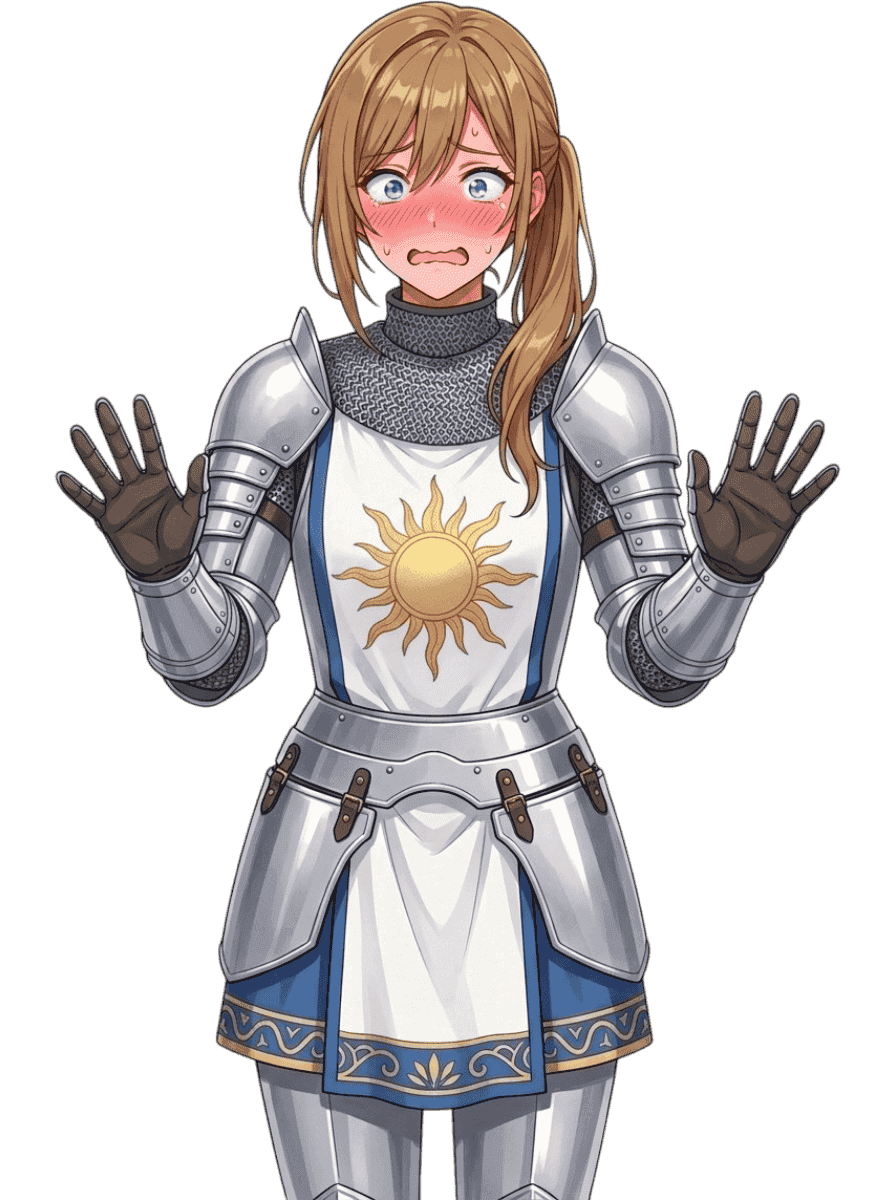
Look closely at the kuudere, though. Her ears just turned red.
Yuki Nagato from The Melancholy of Haruhi Suzumiya sits right on the line, and fans still argue about which one she is.
Kuudere vs dandere vs tsundere vs yandere
A quick cheat sheet for the four main dere types.
| Kuudere | Dandere | Tsundere | Yandere | |
|---|---|---|---|---|
| On the outside | Calm, flat face | Shy, nervous | Harsh, prickly | Sweet, clingy |
| How she talks | Few words, very direct | Quietly, lots of "sorry" | Loudly. "Baka!" | Softly. A little too much. |
| How she shows love | Quiet favors | Talks more, only to you | Kind acts, mean words | Total devotion |
| Classic example | Rei Ayanami | Shoko Komi | Taiga Aisaka | Yuno Gasai |
Where the kuudere came from
Rei Ayanami set the template in 1995: quiet, blunt, hard to read, and a little more human with every episode. Then the tsundere boom of the 2000s gave fans a habit of naming character types, and "kuudere" followed.
Even Japanese academics noticed. In 2008, professor Junichi Togashi of Daito Bunka University wrote that tsundere-like characters who don’t talk like a tsundere can be called kuudere. A 2007 Japanese slang guide also listed "sunao kuuru" (honest cool) as the opposite of the tsundere.
Famous kuudere girls
The kuuderes fans name again and again. Two of them are hotly debated, so we flag those.

The original. Quiet, blunt, and a bit more human every episode.

Reads in the corner, barely changes expression. Some fans call her a dandere.

Flat voice, few words, a lot of quiet kindness.

Cool, teasing and impossible to read. Openly loves pizza, never says what she feels.
Cold and focused on the surface, fiercely devoted underneath.

Stone-faced in a fight, devoted to Eren. Some fans call her a yandere.

Spacey, deadpan, and a genius artist who can’t take care of herself.

Starts out unable to read feelings, then learns them one letter at a time.

Calm, blunt and quietly annoyed. The new-gen kuudere.
Can a boy be a kuudere?
Yes. Fans even say male kuuderes are more common than male versions of the other dere types. A few well-known ones:
- Byakuya Kuchiki from Bleach
- Houtarou Oreki from Hyouka
- Hei from Darker than Black
- Kenma Kozume from Haikyu!!
- Shizuka Doumeki from xxxHolic
Is she a kuudere? The debated ones
Some characters start arguments on every fan forum. Here’s where most fans land:
- Mikasa Ackerman: mostly yes. She’s stone-faced and calm, but her devotion to Eren runs so deep that some fans call her a yandere.
- Yuki Nagato: a kuudere for most fans. A few say dandere, because she almost never talks.
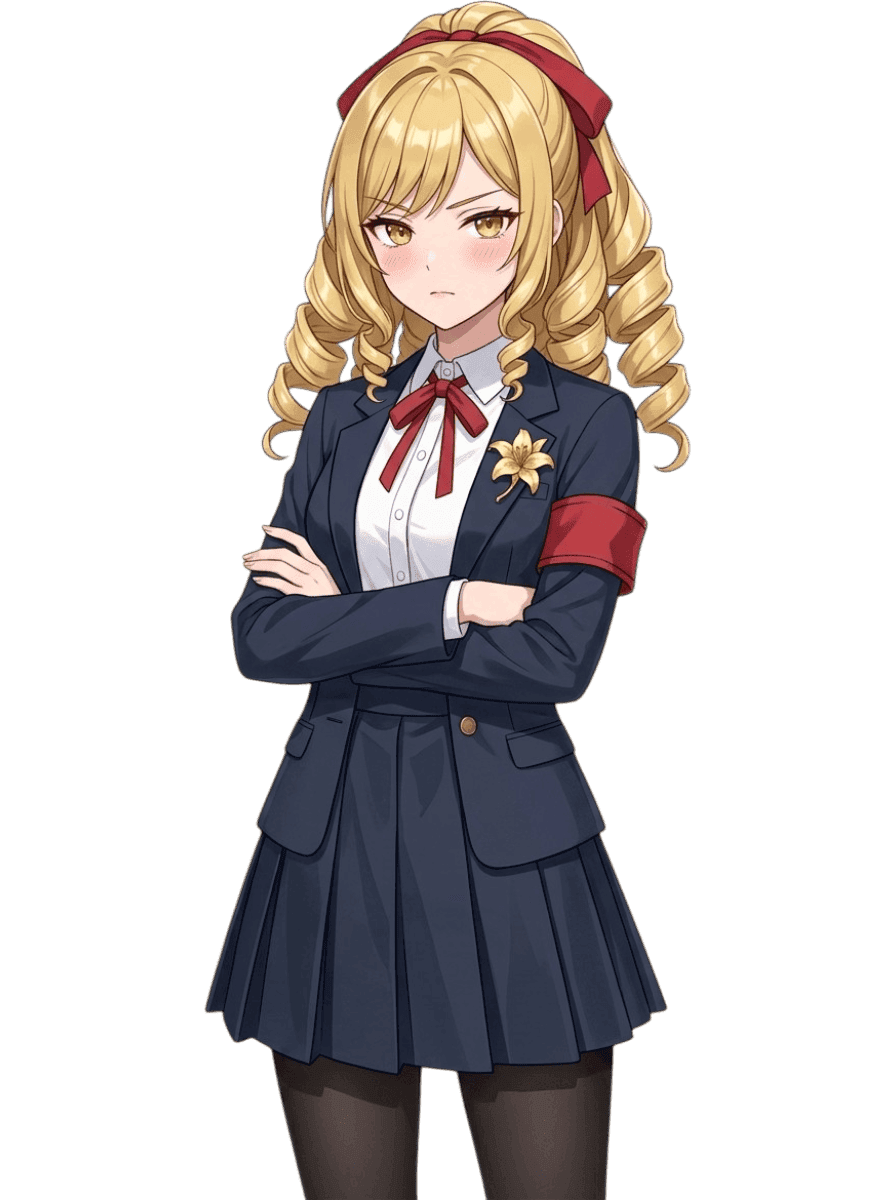
- Frieren: often called one, but she’s calm because she’s an elf who has lived over a thousand years. Fern, her student, is the safer pick.
- Hitagi Senjougahara: usually filed as a tsundere. Her flat, deadpan delivery is why some people say kuudere.
Why kuuderes make the best slow burn
With a kuudere, every small change is a big deal. The first time she laughs. The first time she says your name a little softer. Fans call that rush "gap moe": a cute moment that hits harder because of who she usually is.
That’s why kuuderes work so well in visual novels and dating sims. You earn her trust chapter by chapter, and you actually get to watch her thaw.
In a game, a kuudere route is all about reading tiny signals. A one-word answer turns into two. She stops correcting you. One day she waits for you after class without saying why. None of it is loud, so the payoff feels earned when she finally says what she means.
Play a kuudere story: Carmilla in The Dungeon Lord
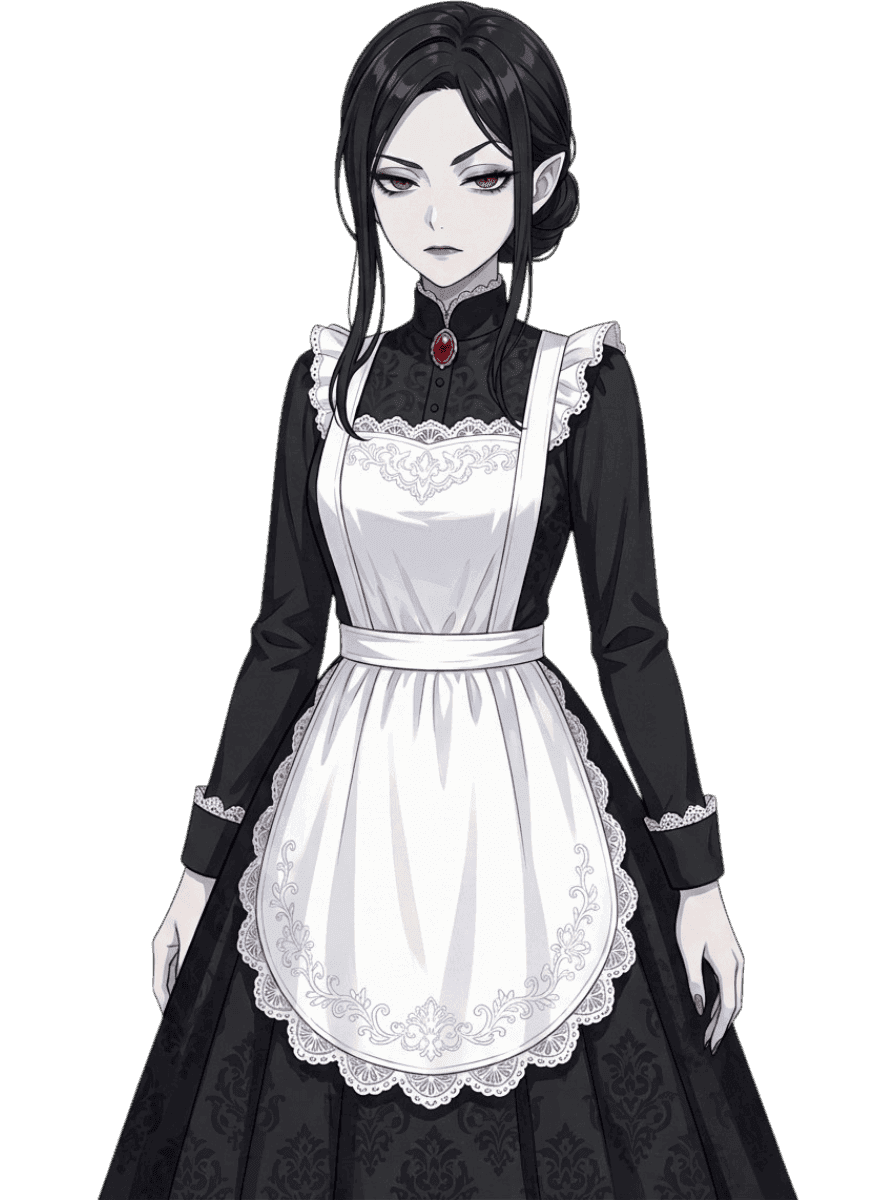
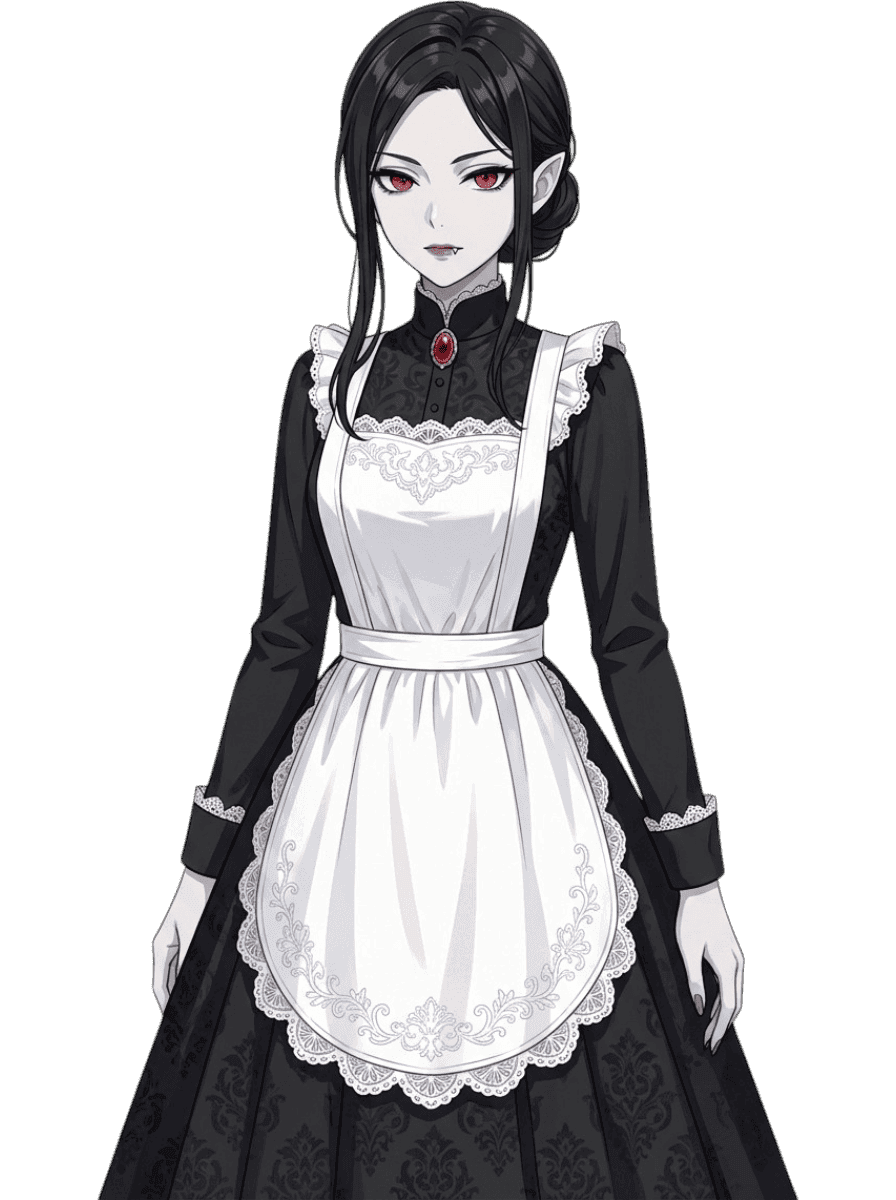
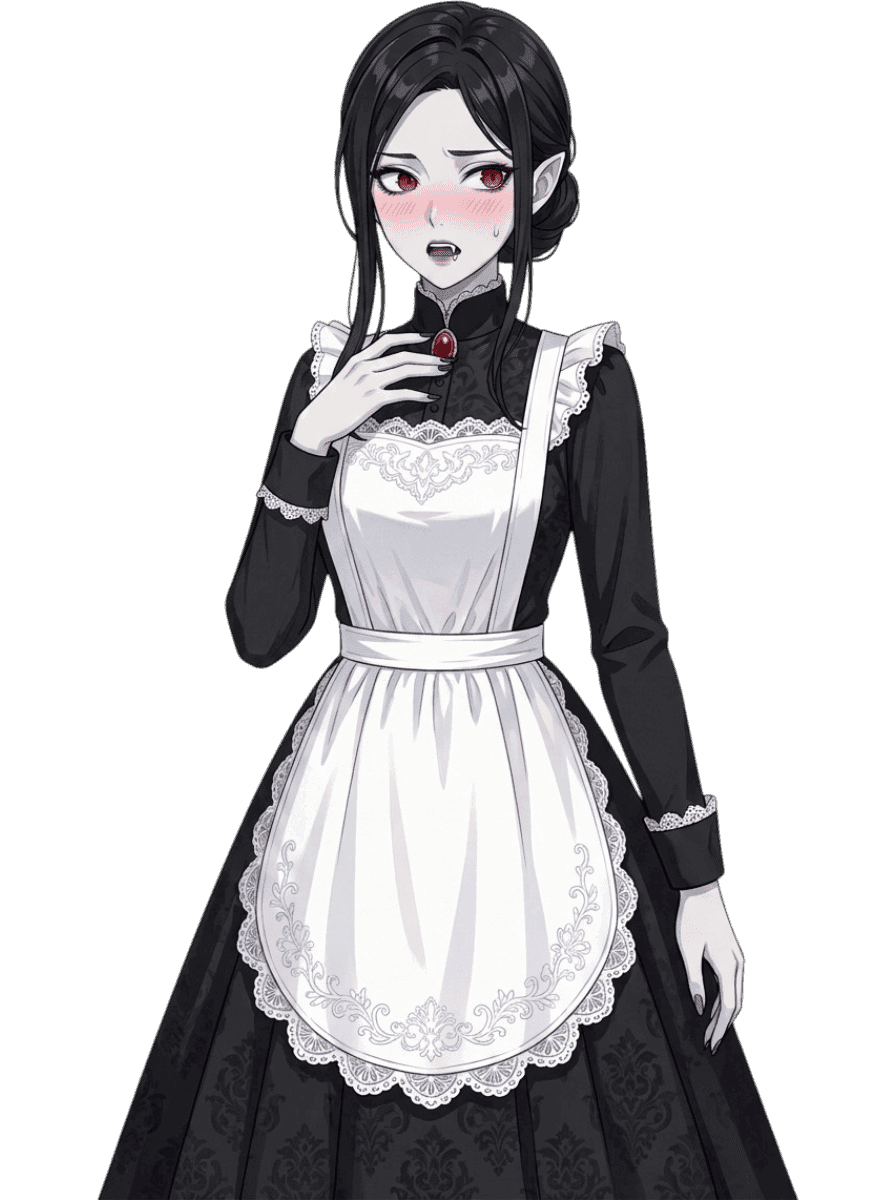
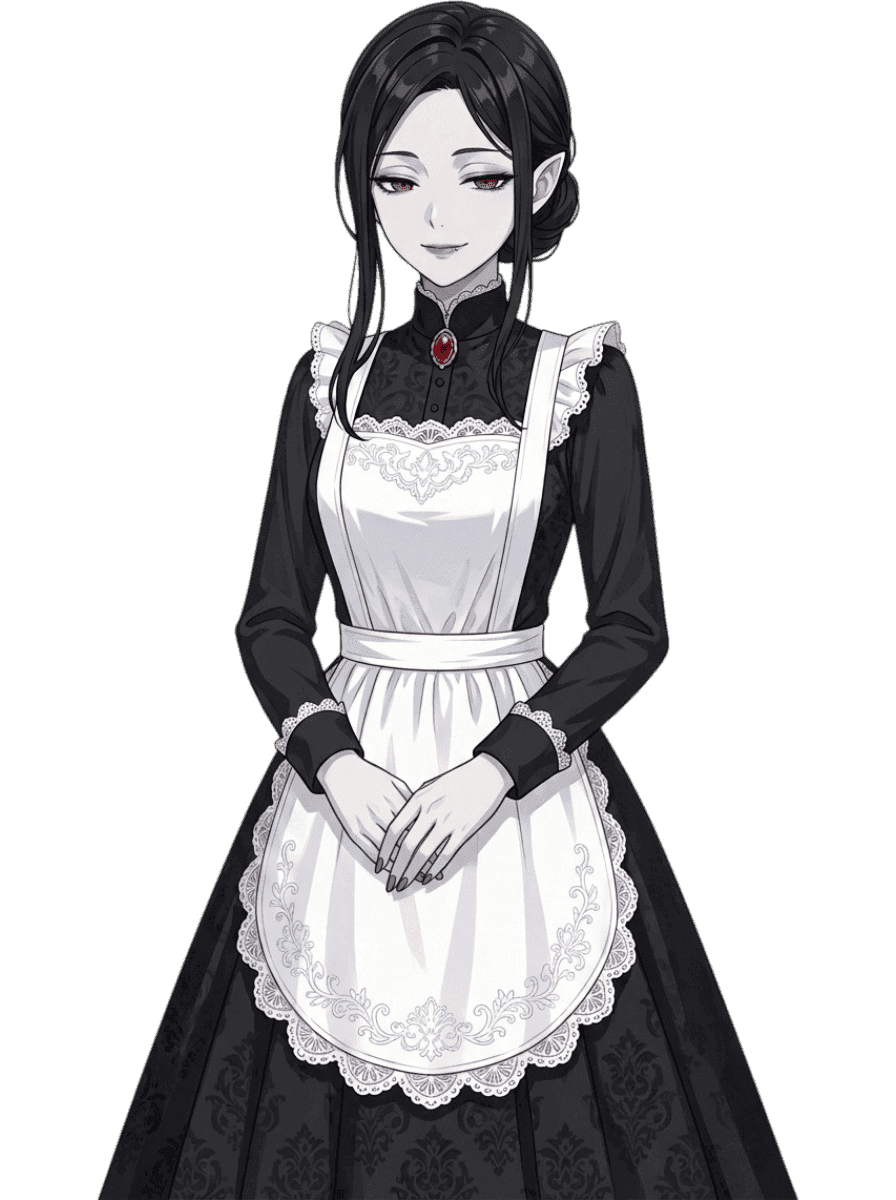
Want to see a kuudere thaw up close? In The Dungeon Lord you play the brand-new demon lord of a broke, three-floor dungeon. Your head maid is Carmilla, a 312-year-old vampire who looks about 26 and has already served three foolish demon lords before you. She doesn’t yell, she doesn’t gush, and she rates every order you give with one raised eyebrow.
With her, the goal is earning respect. Make a smart call and the eyebrow drops a little. Say something she didn’t expect and she’s caught off guard. Keep at it and you might get the rare warm look below. You can pick a choice or type your own words, and she reacts to what you actually say.
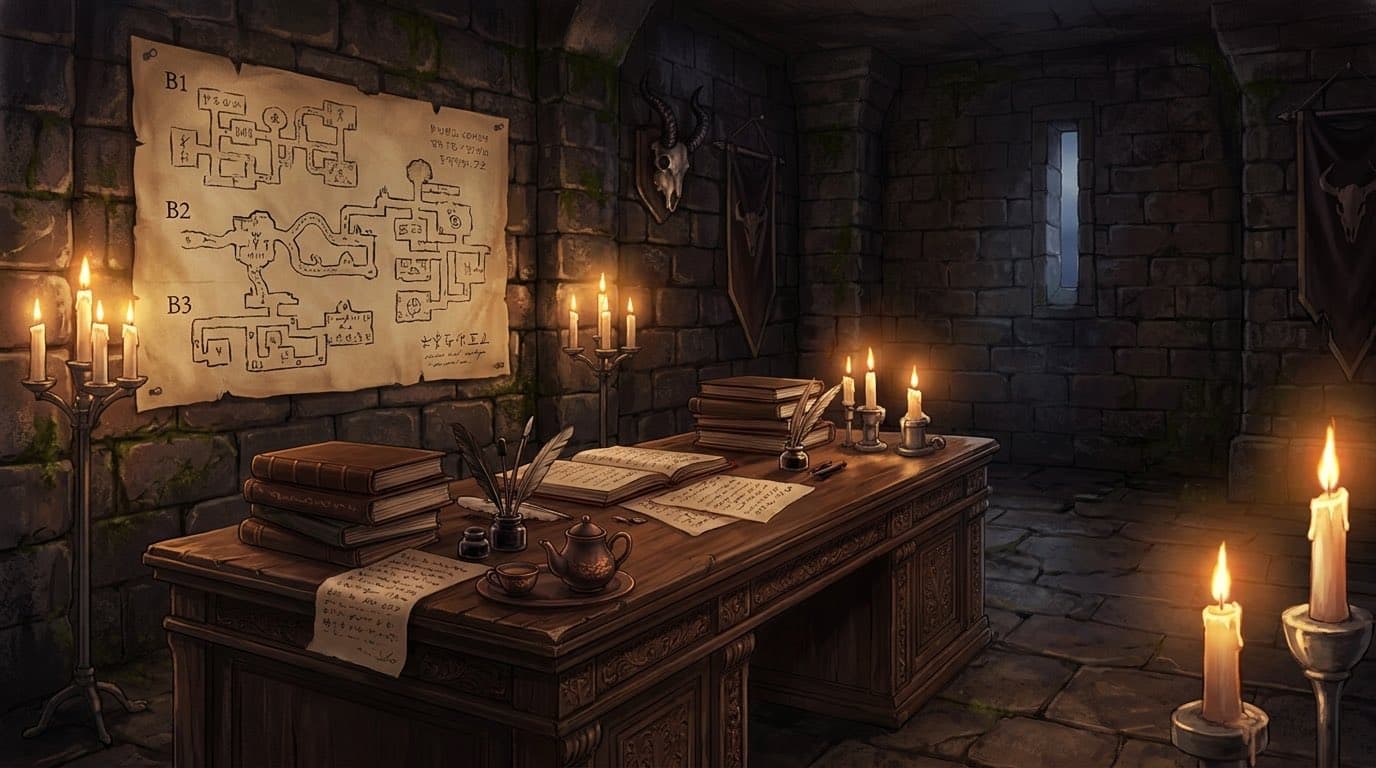
You’re the new demon lord of a broke three-floor dungeon. Carmilla, your 312-year-old vampire head maid, has served three foolish demon lords before you, and she judges every order with one raised eyebrow. Say anything you want. She reacts.
Kuudere FAQ
Is a kuudere emotionless?+
Can a boy be a kuudere?+
Who is the most famous kuudere?+
What’s the difference between a kuudere and a yandere?+
How do you pronounce kuudere?+

Anime stories where you pick a line or type your own, and she reacts. The first few chapters are free.